As Corporate Hotel Booking Platforms: Negotiated TMC Rates vs. Direct Booking (US Case Study) takes center stage, this opening passage beckons readers into a world crafted with good knowledge, ensuring a reading experience that is both absorbing and distinctly original.
Exploring the essence of corporate hotel booking platforms, negotiated TMC rates, and direct booking unveils a dynamic landscape of choices and strategies that redefine the corporate travel industry.
Introduction to Corporate Hotel Booking Platforms
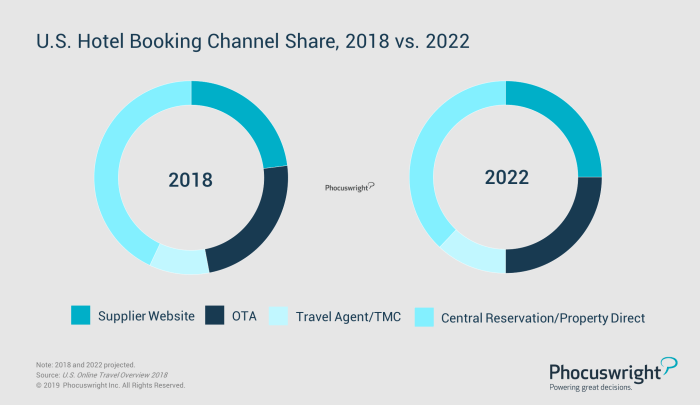
Corporate Hotel Booking Platforms are online platforms specifically designed to help businesses book accommodations for their employees' business trips. These platforms offer a wide range of hotels with negotiated rates, making it easier for companies to manage their travel expenses efficiently.Negotiated TMC (Travel Management Company) rates play a crucial role in the corporate travel industry by offering discounted prices to businesses that book a certain volume of rooms through a specific TMC.
These negotiated rates can result in significant cost savings for companies, especially those with frequent travel requirements.
Advantages and Disadvantages of Using Corporate Hotel Booking Platforms for Businesses
- Advantages:
- Cost Savings: Companies can benefit from lower negotiated rates, leading to reduced travel expenses.
- Convenience: Booking platforms streamline the reservation process, making it easier for employees to book accommodations.
- Centralized Billing: Businesses can manage all travel expenses in one place, simplifying the accounting process.
- Disadvantages:
- Limitations in Choice: Some platforms may have a limited selection of hotels, restricting options for travelers.
- Dependency on TMC: Companies relying on negotiated rates through a TMC may face challenges if the TMC's offerings do not meet their needs.
- Potential for Rate Discrepancies: Fluctuations in negotiated rates or last-minute changes can lead to unexpected expenses for businesses.
Negotiated TMC Rates
Negotiated TMC rates refer to the special discounted rates that Travel Management Companies (TMCs) secure with hotels on behalf of corporate clients. These rates are usually lower than the standard rates offered to individual travelers.When it comes to establishing negotiated TMC rates with hotels, TMCs leverage their relationships and booking volume to negotiate favorable deals.
They work closely with hotel partners to agree on discounted rates for their corporate clients based on factors such as the volume of bookings, length of stay, and overall business relationship.
Process of Securing Negotiated Rates
To secure negotiated rates through TMCs for corporate bookings, the process typically involves the following steps:
- TMCs analyze the corporate client's travel needs and booking patterns to determine the best hotels and locations for negotiation.
- TMCs initiate discussions with hotel partners to negotiate discounted rates based on the projected volume of bookings and other factors.
- Upon reaching an agreement, the negotiated rates are included in the TMC's booking system for their corporate clients to access when making reservations.
- Corporate travelers book their accommodations through the TMC's platform, where they can benefit from the negotiated rates secured by the TMC.
By utilizing negotiated TMC rates for corporate hotel bookings, companies can achieve significant cost savings compared to booking directly with hotels at standard rates. These negotiated rates can result in lower nightly rates, complimentary amenities, and other cost-saving benefits that can add up to substantial savings over time.
Direct Booking
Direct booking refers to the process where businesses make hotel reservations directly with the hotel, bypassing any third-party intermediaries such as Travel Management Companies (TMCs).
Benefits of Direct Booking
- Cost Savings: By booking directly with hotels, businesses can sometimes access exclusive deals or promotions that may not be available through TMC negotiated rates.
- Flexibility: Direct booking allows businesses to have more control over their reservations, including making changes or cancellations without having to go through a middleman.
- Rewards Programs: Some hotels offer loyalty programs or rewards for direct bookings, providing additional benefits such as room upgrades or complimentary services.
Drawbacks of Direct Booking
- Lack of Negotiated Rates: Direct booking may not always guarantee the lowest rates compared to TMC negotiated rates, especially for frequent or bulk bookings.
- Time-Consuming: Managing multiple reservations directly with hotels can be time-consuming, especially for businesses with a large volume of bookings.
- Lack of Consolidated Reporting: Direct booking may result in scattered reservation data, making it challenging for businesses to track and analyze their hotel expenses efficiently.
Scenarios where Direct Booking may be advantageous
While TMC negotiated rates offer many benefits, there are situations where direct booking can be more advantageous for businesses:
- Last-Minute Bookings: In cases where last-minute bookings are required, direct booking can be quicker and more convenient than going through a TMC.
- Special Requests: If a business has specific room preferences or needs special accommodations, direct booking allows for direct communication with the hotel to ensure these requests are met.
- Small Businesses: Smaller businesses with fewer hotel bookings may find it more cost-effective and manageable to book directly with hotels rather than engaging TMC services.
US Case Study

In a US-based company's approach to corporate hotel bookings, several factors come into play when deciding between negotiated TMC rates and direct booking. Let's delve into the key aspects influencing this decision and how different industries in the US may have varying preferences for booking methods.
Factors Influencing Choice Between Negotiated TMC Rates and Direct Booking
- Company Size: Larger corporations with more extensive travel needs may opt for negotiated TMC rates to streamline the booking process and ensure cost savings.
- Travel Frequency: Companies that have frequent travel requirements may benefit from negotiated TMC rates due to the volume of bookings, resulting in potential discounts.
- Budget Constraints: Smaller companies or startups may prefer direct booking to have more control over individual reservations and avoid committing to long-term agreements with TMCs.
- Industry Regulations: Certain industries, such as healthcare or finance, may have strict compliance requirements that influence the choice between negotiated TMC rates and direct booking.
Variation in Booking Preferences Across Industries
- Technology Sector: Tech companies often prioritize flexibility and convenience, leading them to lean towards direct booking to have more control over their travel arrangements.
- Manufacturing Industry: Companies in the manufacturing sector may opt for negotiated TMC rates to ensure consistency in accommodation standards across multiple locations.
- Financial Services: Firms in the financial services industry may rely heavily on negotiated TMC rates to manage costs effectively and comply with industry regulations.
Ending Remarks
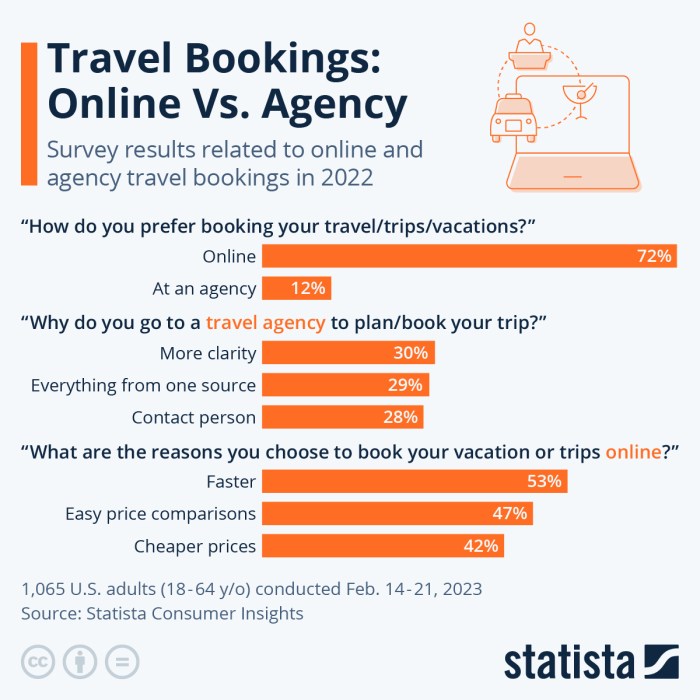
In conclusion, the discourse on Corporate Hotel Booking Platforms: Negotiated TMC Rates vs. Direct Booking (US Case Study) illuminates the intricate dance between convenience, cost-effectiveness, and industry trends, offering valuable insights for businesses navigating the realm of corporate travel accommodations.
User Queries
How are negotiated TMC rates established with hotels?
Negotiated TMC rates are typically set through agreements between Travel Management Companies (TMCs) and hotels based on factors like volume of bookings, length of stay, and overall relationship.
When is direct booking more advantageous than using TMC negotiated rates?
Direct booking can be more beneficial for last-minute bookings, specific room preferences, or when hotels offer promotions not available through TMCs.
What factors influence the choice between negotiated TMC rates and direct booking in the US market?
Factors such as budget constraints, travel policies, employee preferences, and the need for flexibility play a crucial role in deciding between the two booking methods.